Bridging Code and Design: Figma's Revolutionary AI Partnership with Anthropic
Bridging Code and Design: A New Era in Workflow Efficiency
Introduction
In the ever-evolving landscape of design and development, the integration of AI into creative processes is transforming the way teams operate. A significant milestone in this journey is the introduction of a new feature, which serves as a bridge between AI-generated code and design environments. This feature, known as "Code to Canvas," exemplifies the merging of technical and creative workflows, paving the way for more efficient and innovative design practices.
The Code to Canvas Workflow
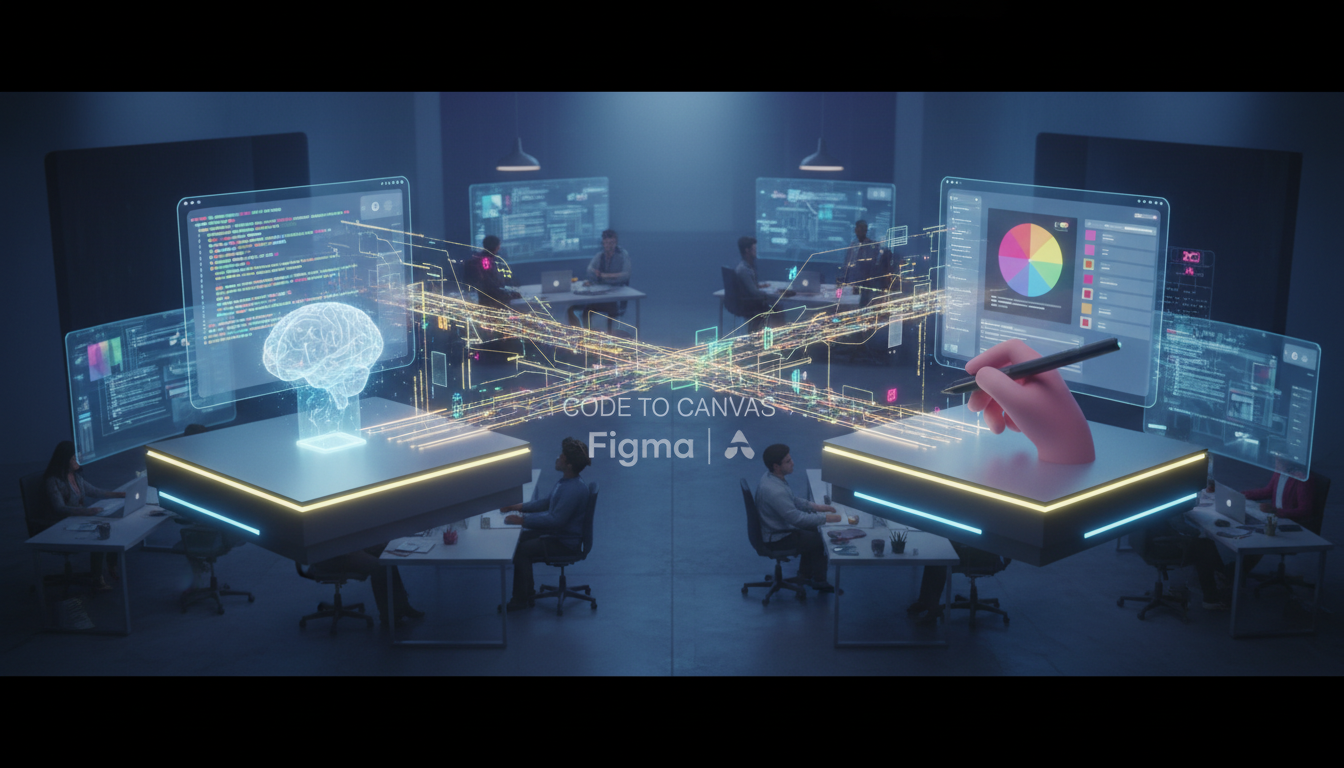
The "Code to Canvas" feature represents a streamlined workflow where AI-generated code can seamlessly transition into a design space. This advancement allows for a smoother translation of ideas from code to canvas, enabling design teams to engage directly with editable layers within their design software. The process is straightforward: once an interface is built using a code tool, users can send it to their design software where it transforms into fully editable layers. This allows for parallel comparison of design approaches, direct edits, and incorporation of final design changes back into the codebase.
Enhancing Design with AI
The integration of AI into design workflows is not entirely new. Previous innovations have included tools that generate code from design prompts. However, this latest feature reverses the flow, starting with AI-generated code and bringing it into the design environment. This allows designers to focus on refining and perfecting designs rather than dealing with the initial code creation.
A Shift in Design and Development Dynamics
This new feature signifies a shift from traditional linear workflows, where brainstorming, designing, and coding occurred in distinct phases. Now, teams have the flexibility to start anywhere in the process, aided by AI capabilities. This approach encourages exploration of different possibilities before settling on a final design, mitigating the risk of prematurely finalizing a concept without adequate consideration of alternatives.
Adapting to a Changing Market
The timing of this innovation is crucial, especially in a market where software-as-a-service (SaaS) companies face challenges from AI-driven disruptions. As companies navigate these changes, the focus shifts to maintaining a balance between AI efficiency and human creativity. This feature embodies a "human-in-the-loop" approach, where AI drafts the initial version, but the final outcome depends on human judgment to meet brand and usability standards.
Embracing Usage-Based Models
With the integration of advanced AI features, there is also a move toward usage-based pricing models. This shift reflects the need for flexibility and scalability in how design services are consumed, offering a more customized approach compared to traditional seat-based subscriptions. Such models cater to varying levels of AI feature usage, aligning costs with actual consumption.
Conclusion
The introduction of features that bridge code and design marks a significant step forward in how creative and technical teams collaborate. By leveraging AI to handle the initial stages of design, teams can focus on refining and enhancing their creative output. This shift not only improves efficiency but also opens up a world of possibilities for exploring innovative design solutions. As the market continues to evolve, adapting to these changes will be crucial for staying competitive and responding to the increasing demand for integrated AI capabilities in design and development workflows.