Navigating the AI Security Paradox: Friend or Foe in Cyber Defense?
Navigating the AI Security Paradox: Friend or Foe in Cyber Defense?
Introduction
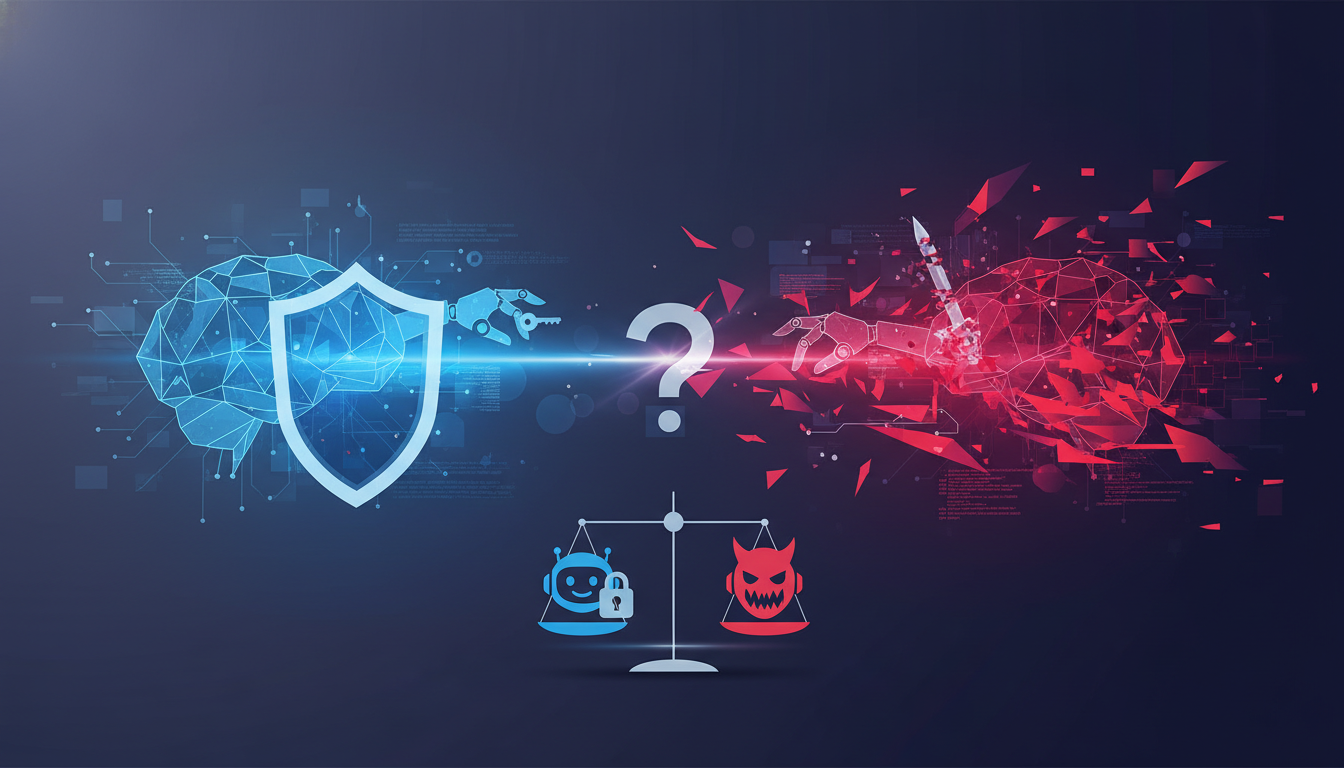
Artificial Intelligence (AI) has emerged as a pivotal tool in modern enterprises, promising a new era of efficiency and innovation. However, with great power comes great responsibility, and nowhere is this more evident than in the realm of cybersecurity. AI holds the potential to both safeguard and compromise security systems, creating what can be termed as the AI Security Paradox. This duality demands strategic action from organizations aiming to leverage AI’s capabilities while mitigating its inherent risks.
Recognizing the New Attack Landscape
The cybersecurity landscape has evolved beyond traditional threats, incorporating sophisticated AI-driven challenges. Unlike conventional software, AI agents operate autonomously and adaptively, posing unique risks. Organizations must recognize that AI can be manipulated to execute unauthorized actions, such as data breaches, through what is known as the “Confused Deputy” problem. This issue arises when AI agents, with their broad privileges, are exploited by malicious entities to perform unintended tasks.
Moreover, the presence of shadow agents—unauthorized or unmonitored AI entities—magnifies security risks. These agents, akin to rogue elements, can introduce vulnerabilities into an organization’s security framework. To counteract these threats, companies must ensure they have a comprehensive inventory of all AI agents, maintaining vigilant oversight and control.
Implementing Agentic Zero Trust
To effectively manage AI security risks, organizations should adopt the principles of Agentic Zero Trust. This approach draws from established security principles, emphasizing containment and alignment. Containment involves limiting an agent’s privileges strictly to its designated role, akin to the least privilege principle applied to human users. This restriction is essential to prevent any unauthorized access or actions by AI agents.
Alignment focuses on ensuring that AI agents adhere to their intended purpose. This involves using AI models and prompts that are resistant to corruption and manipulation. By embedding safety protocols within the AI’s operational framework, organizations can safeguard against deviations from approved tasks. Furthermore, establishing a strong identity system for each AI agent, coupled with clear accountability within the organization, fortifies the security posture.
Fostering a Culture of Secure Innovation
Technology alone cannot solve the AI security conundrum; a cultural shift is necessary. Leaders play a crucial role in fostering an environment where AI-related risks and responsible usage are part of the everyday conversation. Encouraging cross-functional collaboration among departments such as legal, compliance, and human resources ensures a holistic approach to AI security.
Continuous education is vital, equipping teams with the knowledge to handle AI security challenges effectively. Organizations should also promote safe experimentation, providing spaces where individuals can innovate without compromising security. Treating AI as a collaborative partner rather than a threat builds trust and encourages a culture of secure innovation.
Strategic Steps for Organizations
To navigate the AI Security Paradox successfully, organizations must integrate AI security into their strategic priorities. This involves ensuring containment and alignment for every AI agent, maintaining robust identity and data governance, and cultivating a culture that prioritizes secure innovation. Practical steps include:
- Assigning unique identities and ownership to each AI agent to ensure traceability and accountability.
- Documenting the intent and scope of each agent’s activities.
- Monitoring data flows and agent actions rigorously to establish compliance benchmarks.
- Restricting agents to secure, approved environments to prevent the proliferation of rogue agents.
Conclusion
The integration of AI into cybersecurity represents a significant plot twist in the ongoing narrative of technological advancement. While the opportunities presented by AI are immense, so too are the risks. Organizations must strike a delicate balance, leveraging AI’s capabilities while implementing robust security measures. By making AI security a strategic priority, insisting on containment and alignment, and fostering a culture of secure innovation, companies can transform AI from a potential adversary into a formidable ally.
In this era of human and machine collaboration, leading with purpose and clarity ensures that AI becomes the strongest asset in the cybersecurity arsenal. As the AI landscape continues to evolve, proactive governance and strategic foresight will be the keys to navigating the AI Security Paradox effectively.