Revolutionizing Asset Management: How AI is Transforming Enterprise Efficiency
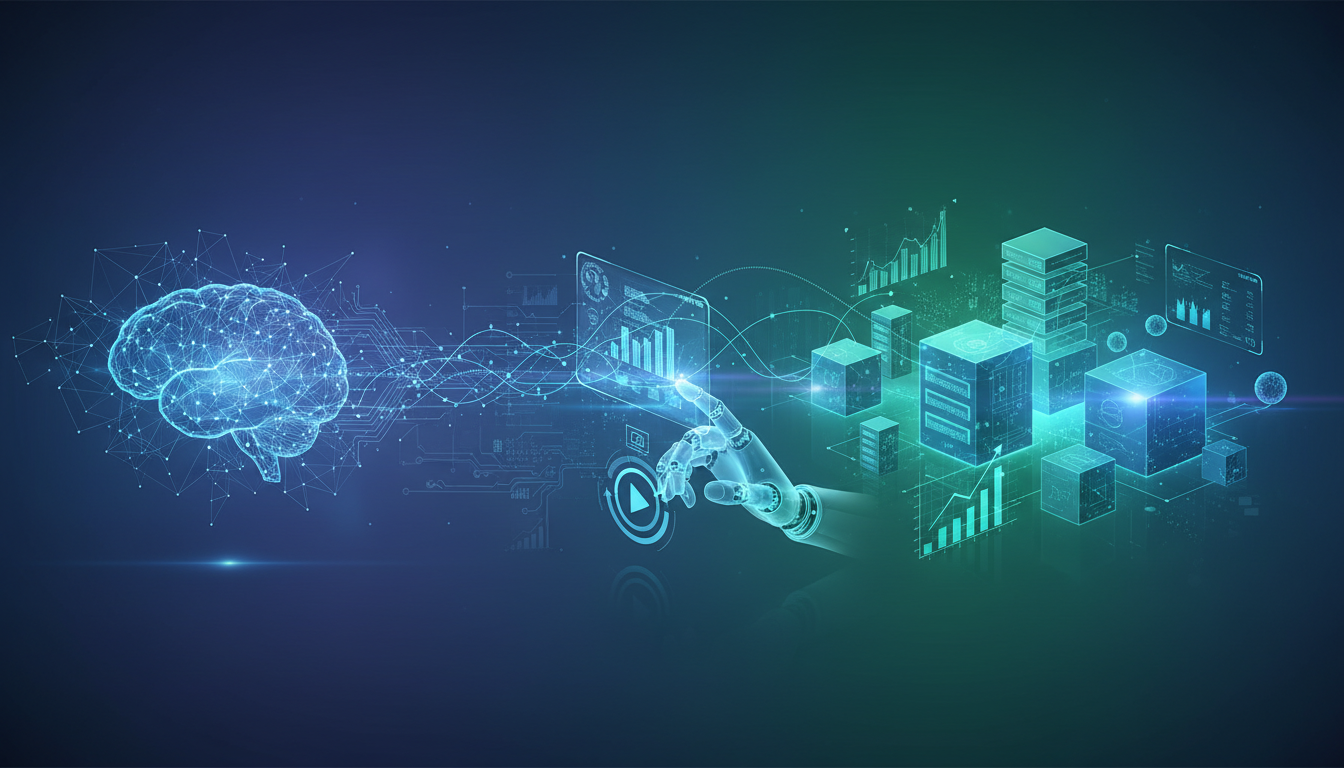
Revolutionizing Asset Management: How AI is Transforming Enterprise Efficiency
In the dynamic world of enterprise operations, asset management is a critical cog that determines an organization's efficiency and longevity. As businesses contend with the challenges of maintaining and optimizing assets, Artificial Intelligence (AI) emerges as a transformative force. This technology promises not only to streamline operations but also to redefine how enterprises approach asset management.
The Role of AI in Asset Management
AI's integration into asset management systems is revolutionizing traditional practices. By automating anomaly detection and analyzing failure patterns, AI contributes significantly to preemptive maintenance strategies. This predictive capability allows businesses to address potential issues before they escalate, thereby minimizing downtime and maximizing productivity.
One of the key advancements is AI's ability to process and interpret vast amounts of data from various sources, including sensor data, images, and textual information from operator logs and repair manuals. By fusing this data, AI creates intelligent workflows that provide natural-language explanations, enabling enterprises to make informed decisions with greater confidence.
Enhancing Operational Efficiency with AI
Incorporating AI into asset management allows enterprises to optimize their resource allocation. AI models, such as those developed by IBM, are designed to identify railroad defects and other infrastructure issues before they become critical. This proactive approach not only extends the lifespan of industrial equipment but also enhances safety and reduces operational costs.
Furthermore, AI's application in automating routine tasks enables the workforce to focus on more strategic initiatives. By leveraging AI for tasks like hands-free inspections and remote collaboration through augmented reality, companies can ensure that their human resources are utilized where they add the most value.
The Impact of AI-Powered IoT Solutions
The Internet of Things (IoT) combined with AI creates a robust solution for managing and monitoring aging infrastructure. AI-driven IoT solutions offer real-time analytics and insights that are crucial for maintaining the integrity of vital assets. This integration facilitates continuous monitoring and quick response to potential issues, ensuring that infrastructure remains functional and efficient.
AI and the Future of Asset Management
As AI continues to evolve, its role in asset management is expected to grow even more significant. Future advancements may include enhanced digital twin technology, which creates virtual replicas of physical assets. These digital twins provide a comprehensive view of asset performance and potential issues, enabling businesses to simulate various scenarios and plan effectively for the future.
Moreover, AI's potential to provide predictive insights will further augment its utility in asset management. By predicting trends and potential disruptions, AI can help companies develop more resilient strategies that adapt to changing circumstances, thus ensuring long-term sustainability.
Conclusion
AI has undeniably transformed the landscape of asset management, offering enterprises unprecedented opportunities to enhance efficiency and productivity. By automating routine tasks, providing predictive insights, and integrating with IoT systems, AI empowers businesses to manage their assets more effectively and strategically.
As organizations continue to embrace AI, those that harness its full potential will likely lead the way in operational excellence and innovation. The future of asset management lies in the seamless integration of AI technologies, which promise not only to revolutionize how assets are managed but also to redefine the very fabric of enterprise efficiency.