Revolutionizing Rail Safety: How IBM's AI Model Detects Railroad Defects Before Disaster Strikes
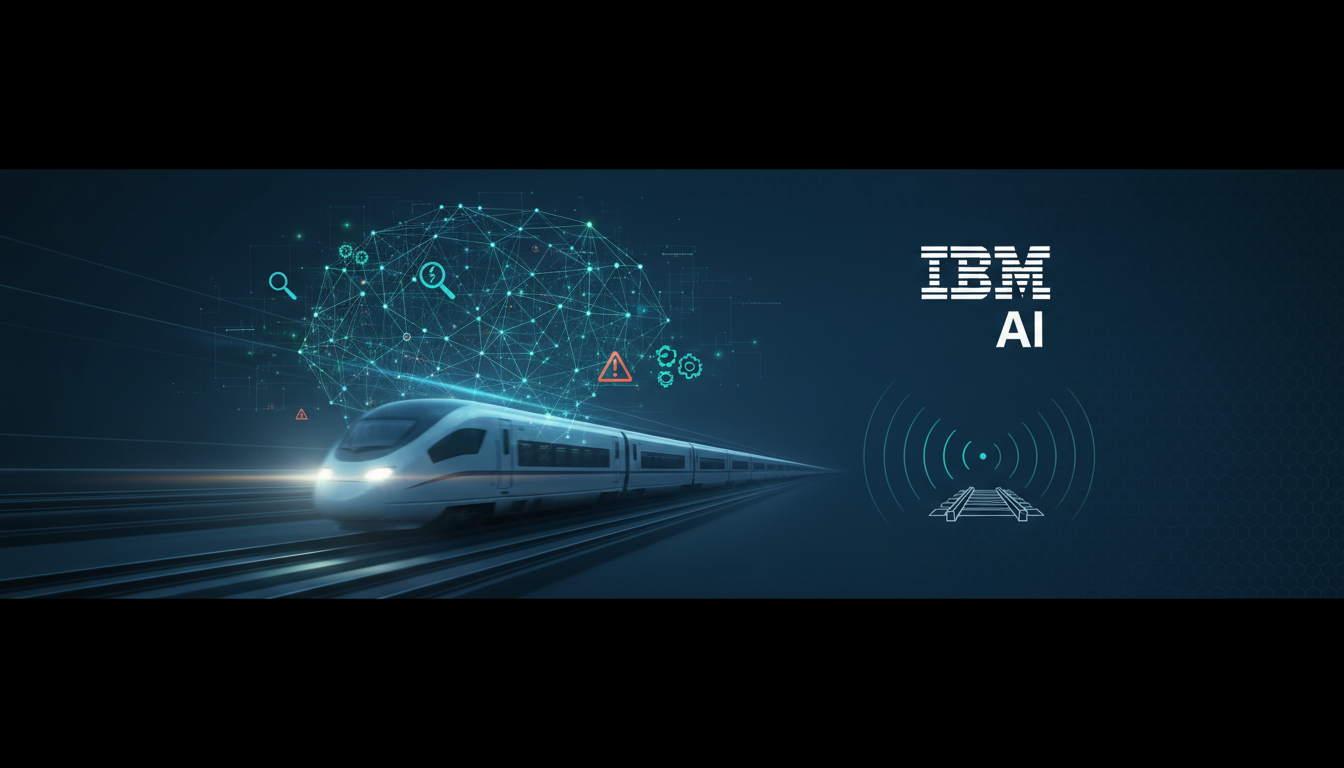
Revolutionizing Rail Safety with AI: IBM's Innovative Approach
Railway safety is an essential component of transportation infrastructure, ensuring the smooth and secure movement of goods and passengers. The traditional methods of inspecting rail tracks, involving manual labor and visual inspection, are now being transformed by the power of artificial intelligence. IBM's latest AI model, developed in collaboration with Norway's railroad authority, Bane NOR, is paving the way for a more efficient and proactive approach to rail maintenance.
The Challenge of Traditional Rail Inspections
The traditional inspection of railway tracks is a labor-intensive process. Inspectors walk miles of tracks, scrutinizing the rails, sleepers, and fasteners for any signs of wear or damage. This methodology, although thorough, is not without its limitations. Human error, environmental factors, and limited daylight hours—especially in regions like Norway—pose significant challenges to ensuring comprehensive and accurate inspections.
Moreover, only major defects tend to be recorded and addressed, leaving minor issues to potentially evolve into critical problems. The sporadic nature of these inspections means that valuable data is often not reused, preventing inspectors from tracking the progression of defects over time.
IBM's AI-Powered Solution
IBM Research, recognizing the inefficiencies of traditional methods, has developed an AI model that promises to revolutionize how rail inspections are conducted. Using a dataset of over 600,000 images provided by Bane NOR, the AI model has been trained to detect and monitor a variety of rail defects. This includes identifying critical components like rail defects, broken sleepers, and missing fastener insulation.
The model leverages visual inspection technology to provide a detailed analysis of the rail infrastructure. By automating the detection process, skilled workers can shift their focus from tedious inspections to performing necessary repairs, ultimately improving the efficiency and effectiveness of maintenance operations.
Benefits of AI in Rail Safety
The implementation of AI in rail inspections offers numerous benefits. Firstly, it enhances the accuracy of defect detection, identifying issues that may be overlooked by human inspectors. The model can detect subtle signs of wear, such as tiny cracks or pitting on the rail surface, which are often difficult to spot.
Secondly, the AI model allows for continuous monitoring and tracking of defects. By maintaining a comprehensive record of all identified issues, inspectors can observe how defects evolve over time, enabling more informed decision-making and proactive maintenance strategies.
Lastly, by automating the inspection process, IBM’s model helps alleviate the backlog of maintenance tasks, allowing rail operators to prioritize repairs based on the severity and progression of defects. This not only improves the overall safety of the rail network but also optimizes the allocation of resources and labor.
Real-World Deployment and Future Prospects
The deployment of IBM's AI model is a significant step forward in modernizing rail infrastructure maintenance. Currently being integrated into Bane NOR's systems, the model is set to undergo validation against new data captured in the coming years. Once fully operational, the model will provide real-time insights into the health of Norway’s rail network, ensuring timely interventions and reducing the risk of accidents.
Looking beyond Norway, this AI model has the potential to benefit rail systems worldwide. Rail operators across different countries face similar challenges in maintaining their infrastructure. IBM's pre-trained model offers an out-of-the-box solution that can be adapted to various environments and conditions, making it a versatile tool for global rail safety enhancement.
Conclusion
IBM's AI model represents a paradigm shift in rail infrastructure management, offering a sophisticated, data-driven approach to defect detection and maintenance. By harnessing the power of AI, rail operators can ensure the safety and reliability of their networks while optimizing their maintenance processes. As the technology continues to evolve, it promises to usher in a new era of smart and efficient rail transportation, safeguarding the millions of journeys taken each year.