Revolutionizing Retail: The AI Transformation in APAC
Revolutionizing Retail: The AI Transformation in APAC
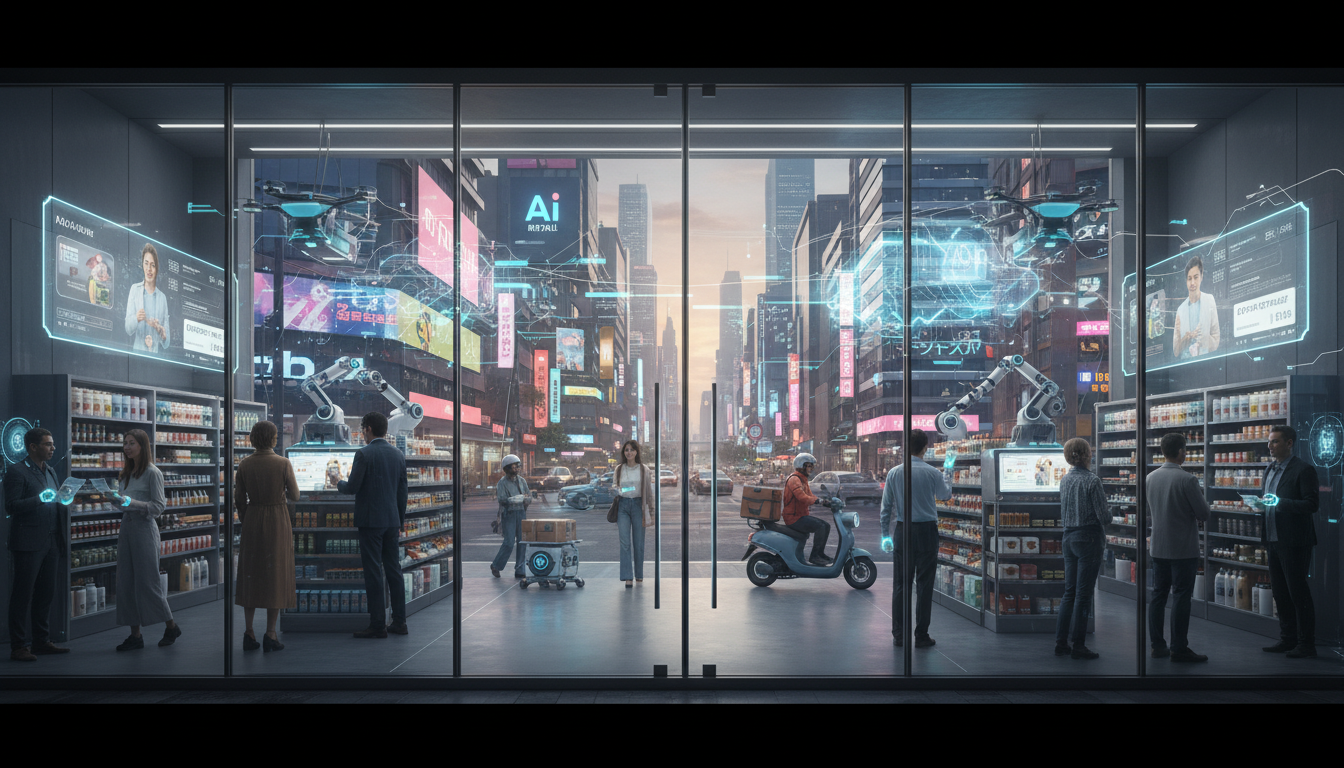
In recent years, the retail sector in the Asia-Pacific (APAC) region has experienced a technological upheaval, primarily driven by the integration of artificial intelligence (AI). As AI transitions from experimental pilots to being embedded in daily operations, the retail landscape is witnessing a profound transformation. From enhanced customer experiences to optimized supply chains, AI is reshaping how retail businesses operate across the diverse APAC region.
The Factors Driving AI Adoption in Retail
Several key factors are propelling the adoption of AI in the APAC retail sector. Firstly, the region's dense urban environments necessitate efficient retail solutions that can handle high customer volumes and quick service demands. This is particularly evident in countries like Japan and South Korea, where urban stores are compact and require innovative methods for managing inventory and customer flow.
Moreover, the quick-commerce ecosystem, characterized by rapid delivery and high turnover, further fuels the need for AI-driven efficiencies. With a significant portion of the population — 45% according to a Q4 2025 survey by GlobalData — open to AI-based recommendations, retailers are keen to leverage AI to offer personalized shopping experiences.
Innovations in Store Automation and Computer Vision
AI technologies such as computer vision and machine learning are becoming integral to store operations in APAC. Retailers like Lawson in Japan have pioneered AI-enabled stores, eliminating traditional checkout processes and cashiers. This not only speeds up the shopping experience but also aligns with the region’s technological prowess.
In South Korea, companies like Fainders.AI are spearheading the cashier-less store model, making autonomous retail more accessible. Such innovations are not just about convenience; they also address labor shortages and high operational costs by optimizing staff deployment and reducing the need for human intervention in routine tasks.
Enhancing Supply Chain and Inventory Management
One of the most significant impacts of AI in retail is seen in supply chain and inventory management. AI systems like the Sora-cam used by Coop Sapporo in Japan help in forecasting demand and automating replenishment processes. By analyzing image data and sales trends, these systems minimize overstocking and waste, ensuring that shelves are optimally stocked.
In markets like Southeast Asia, where price sensitivity is high, AI-driven promotion strategies can significantly enhance profit margins. By tailoring promotions based on real-time data and consumer behavior, retailers can effectively boost sales while maintaining customer satisfaction.
Personalizing Consumer Interactions with Agentic AI
Agentic AI systems are revolutionizing consumer interactions in APAC's retail sector. These systems act as digital operators, capable of understanding customer goals, planning purchases, and personalizing shopping experiences. For example, customers can now rely on AI to plan meals, generate shopping lists, and even adjust recipes based on dietary restrictions or ingredient availability.
This level of personalization resonates well with APAC's diverse culinary cultures. AI systems that understand local cuisines and preferences, such as Korean banchan or Indian spice blends, enhance the shopping experience by offering relevant and appealing options to shoppers.
Challenges and Future Prospects
Despite the promising advancements, several challenges persist. Ensuring data privacy and consent is a primary concern, especially as AI systems become more integrated into personal shopping habits. Another challenge is the localization of AI systems to accommodate language nuances and cultural differences across the APAC region.
Looking ahead, the potential for AI in retail remains vast. As technology continues to evolve, AI systems will become more sophisticated, offering even deeper insights and more efficient operations. Retailers who can successfully harness these innovations will not only improve their bottom line but also offer a superior shopping experience that meets the evolving expectations of APAC consumers.
Conclusion
The AI transformation in APAC’s retail sector is more than just a technological trend; it is a revolution that is redefining how businesses operate and interact with consumers. From automating store operations to personalizing consumer experiences, AI is at the forefront of this change. As retailers navigate this new landscape, the successful integration of AI will be crucial in maintaining competitiveness and meeting the dynamic demands of the modern consumer.