Sustainable Innovation: How Datacenters are Shaping the Eco-Friendly Cloud of the Future
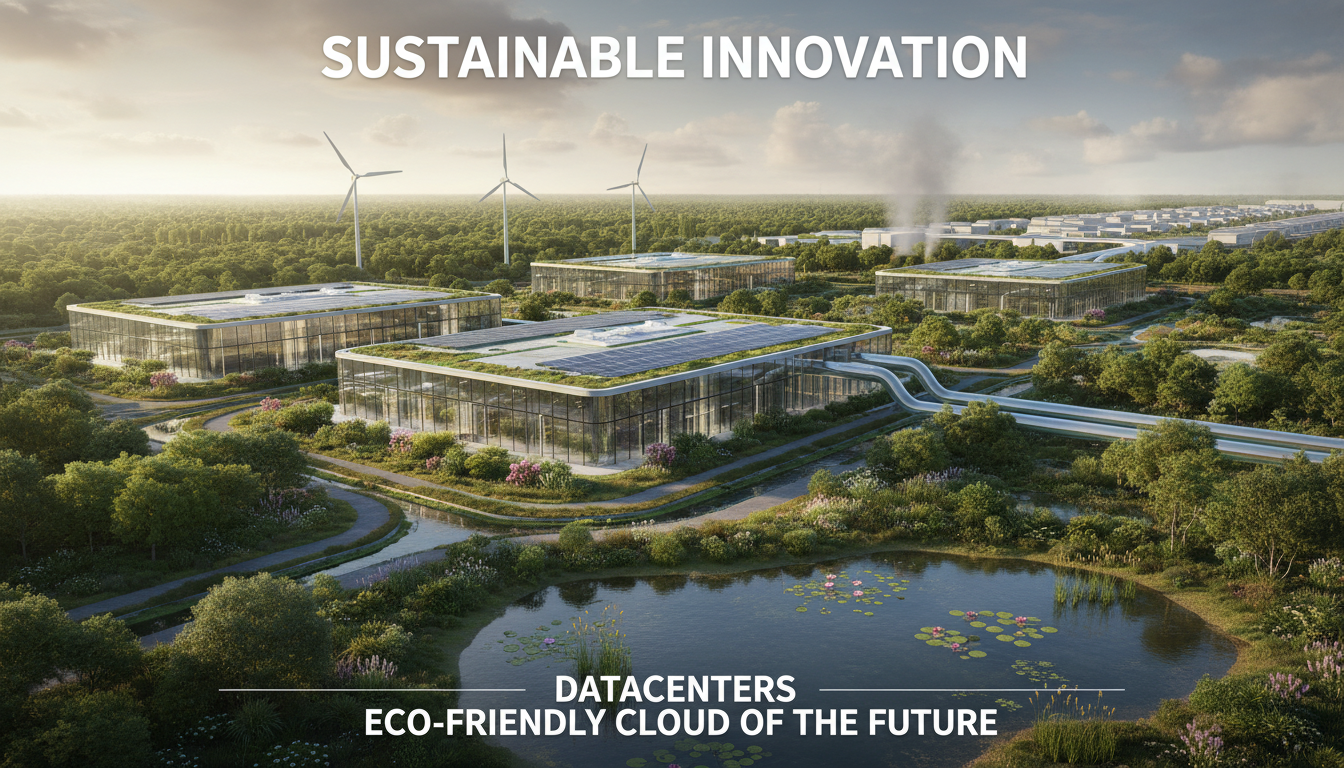
Sustainable Innovation: How Datacenters are Shaping the Eco-Friendly Cloud of the Future
In the digital age, datacenters serve as the backbone of our increasingly cloud-dependent world. From powering artificial intelligence applications to supporting everyday internet usage, these facilities are pivotal. However, as the demand for cloud services grows, so does the need for sustainable solutions that minimize environmental impact.
The Role of Datacenters in Modern Technology
Datacenters are crucial for the seamless functioning of various technologies that we often take for granted. Whether it's AI-powered applications used in education or advanced weather forecasting systems, these facilities provide the infrastructure needed to process, store, and manage vast amounts of data. With significant expansion plans, companies like Microsoft are set to increase their cloud capacity by 40% in Europe alone between 2023 and 2027.
Designing with Nature in Mind
A shift is underway in how datacenters are designed and built. In Middenmeer, Netherlands, Microsoft has taken an innovative approach by integrating datacenters into the local landscape. By planting native trees and shrubs, the project aims to enhance biodiversity while minimizing environmental impact. This approach, rooted in the principles of biomimicry, ensures that the datacenters not only blend into their surroundings but also contribute positively to the local ecosystem.
Water Conservation: A Priority
Water scarcity is a pressing issue, particularly in regions like Spain, which has experienced severe droughts. To address this, Microsoft is implementing closed-loop cooling systems in its Zaragoza datacenters. These systems recirculate water, significantly reducing consumption. Additionally, partnerships with local farms are leveraging AI to optimize irrigation, aiming to save substantial amounts of water annually.
Upcycling and Material Reuse
The concept of upcycling is gaining traction in datacenter construction. In Newport, Wales, Microsoft is repurposing materials from an old factory to build a new datacenter. By reusing steel beams and sourcing recycled steel, the project not only reduces carbon emissions but also sets a precedent for sustainable construction practices. This initiative highlights the potential for existing resources to be given new life in modern infrastructure projects.
Circular Economy: Reducing Waste
Achieving zero waste is an ambitious goal, but Microsoft is making strides through its Circular Centers. These hubs focus on repurposing datacenter components, thereby reducing the need for new materials. By 2024, Microsoft had already surpassed its recycling targets, showcasing the effectiveness of this model. The establishment of a new Circular Center in Newport will further enhance these efforts, processing significant amounts of material annually.
Stabilizing Power Grids with Innovative Solutions
Datacenters also play a role in stabilizing local power grids, particularly in regions with fluctuating renewable energy sources. In countries like Finland and Denmark, Microsoft is deploying sophisticated backup batteries to ensure a steady electricity supply. These systems help maintain grid stability, aligning with the company’s carbon-negative goals by facilitating the integration of renewable energy.
Harnessing Waste Heat for Community Benefit
An innovative development in datacenter operations is the use of waste heat for community heating solutions. In Finland and Denmark, partnerships with local energy companies are transforming waste heat from datacenters into a resource for municipal heating. This not only reduces the carbon footprint but also provides a sustainable energy source for thousands of homes and businesses.
Conclusion: A Sustainable Future
The journey towards a sustainable future for datacenters is multifaceted, involving innovative design, resource conservation, and community collaboration. As companies like Microsoft continue to expand their cloud capabilities, the integration of sustainable practices becomes increasingly crucial. By prioritizing environmental responsibility, these efforts not only meet current demands but also pave the way for a more eco-friendly digital future. Through initiatives such as biomimicry, water conservation, material reuse, and energy efficiency, the datacenters of tomorrow are setting a new standard for sustainable innovation.