The Future of Shopping: How AI Agents are Redefining Payment Systems
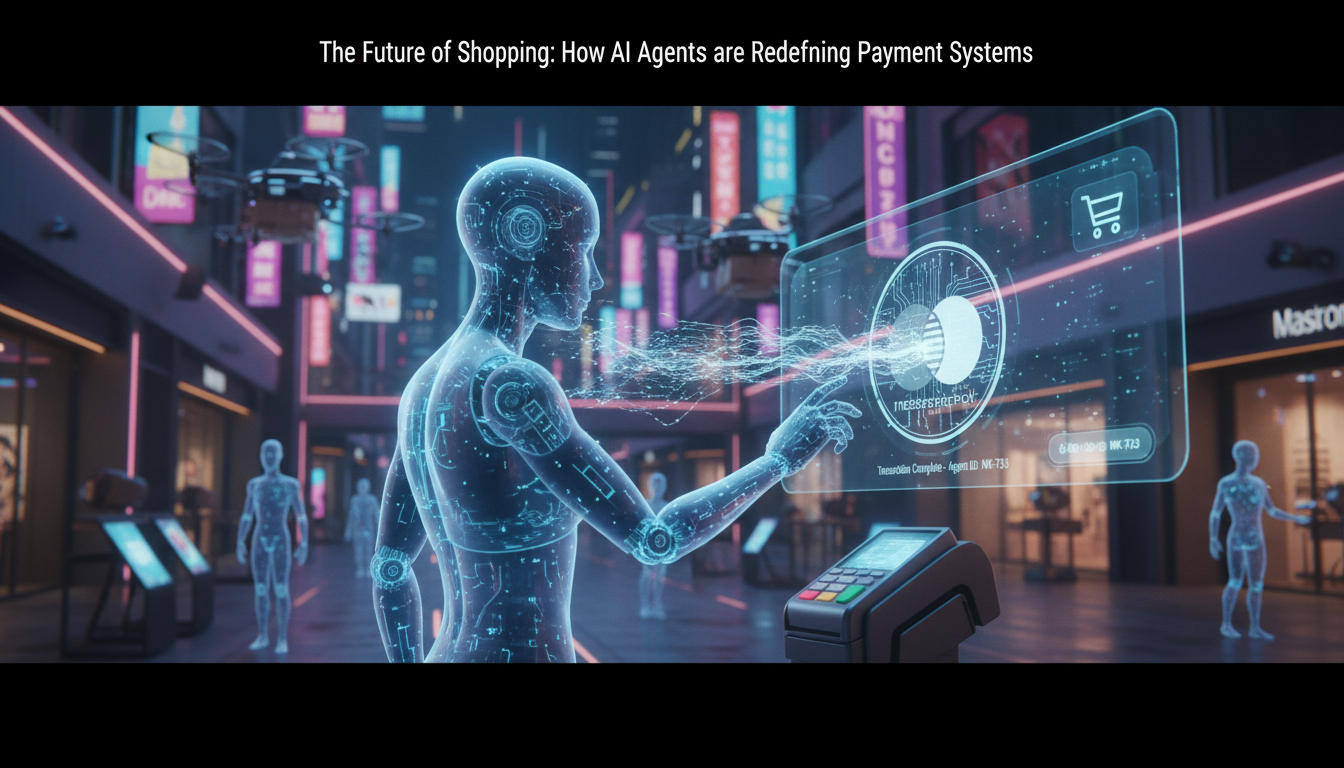
The Future of Shopping: How AI Agents are Redefining Payment Systems
In the rapidly evolving landscape of technology, artificial intelligence continues to make groundbreaking strides, particularly in the realm of commerce. The recent demonstration by Mastercard at the India AI Impact Summit 2026 has introduced a concept that might soon redefine how transactions are conducted: agent-led commerce. This innovation suggests a future where AI agents could complete purchases autonomously, potentially transforming the way we interact with payment systems.
The Concept of Agentic Commerce
Traditionally, digital payment systems have aimed to simplify transactions for human users through technologies such as tokenization and one-click checkouts. Agentic commerce, however, takes this a step further by allowing AI agents to manage the entire purchasing process once they have the necessary permissions. In Mastercard's demonstration, an AI agent seamlessly executed a transaction by searching for a product, assessing the vendor's site, and using stored payment credentials—all without human intervention.
This shift from user-assisted to fully automated transactions introduces a new paradigm in commerce. It emphasizes the need for robust identity verification and risk monitoring systems, as these elements become critical when machines, rather than humans, drive the purchasing process.
Implications for Enterprises
The advent of agentic commerce presents several challenges and opportunities for enterprises. Organizations will need to develop and implement procurement rules that accommodate machine-driven transactions. This includes establishing clear policies on spending limits, approval processes, and audit trails to ensure accountability and compliance.
Finance departments, in particular, will need to navigate the complexities of machine-initiated transactions. Questions around liability, fraud detection, and the integration of AI agents into existing financial processes will need to be addressed comprehensively. Additionally, enterprises will have to ensure that their systems are equipped to handle these new types of transactions securely and efficiently.
Payment Networks and Machine Customers
Mastercard's exploration into agent-led commerce is not an isolated endeavor. Across the sector, payment providers are actively researching ways to integrate AI-driven tools and digital assistants into their systems. The objective is to maintain a robust trust and verification layer that supports autonomous transactions.
For banks and fintech companies, this shift could significantly alter how customer identities are managed. Traditional authentication methods, which often require human involvement, may need to be adapted to verify both the user's consent and the AI agent's authority in real-time. This adjustment is crucial as agentic commerce assumes the absence of the user at the moment of purchase.
Adapting Merchant Systems
As AI agents increasingly operate as buyers, merchants will need to modify their systems to accommodate machine-driven purchases. Online storefronts primarily designed for human interaction may struggle if automated agents become prevalent consumers. This shift necessitates the adoption of structured APIs for product catalogs, pricing data, and checkout processes, ensuring seamless integration with AI systems.
Merchants will also need to prioritize accurate inventory management, transparent pricing, and clear return policies. As AI agents are programmed to optimize for factors like price and delivery speed, businesses with inconsistent data or hidden fees might find themselves at a disadvantage.
Navigating Security Challenges
While agentic commerce offers unparalleled convenience, it also presents new security challenges. A compromised AI assistant with purchasing authority could potentially execute unauthorized transactions at scale. As a result, fraud detection systems will need to evolve to differentiate between legitimate and malicious automated spending.
Regulatory bodies are likely to proceed with caution in approving AI-initiated payment systems. Mastercard's indication that regulatory approvals are pending highlights the ongoing development of compliance frameworks tailored to these new transaction models.
The Road Ahead
Mastercard's demonstration, while not yet available to the public, offers a glimpse into the future of commerce. As AI systems transition from advisory roles to operational ones, the nature of transactions may fundamentally change. The concept of a checkout process could become obsolete, with software autonomously handling purchases based on pre-set rules.
For enterprises, the implications extend beyond technological adoption. They signify a shift in how payment systems, identity frameworks, and digital storefronts perceive and interact with AI agents—not merely as tools but as active participants in the transaction process. As this technology matures, businesses will need to adapt to this new landscape, ensuring they are prepared for the transformative impact of agent-led commerce.