AI with a Human Touch: Navigating the Future of Controlled Adoption
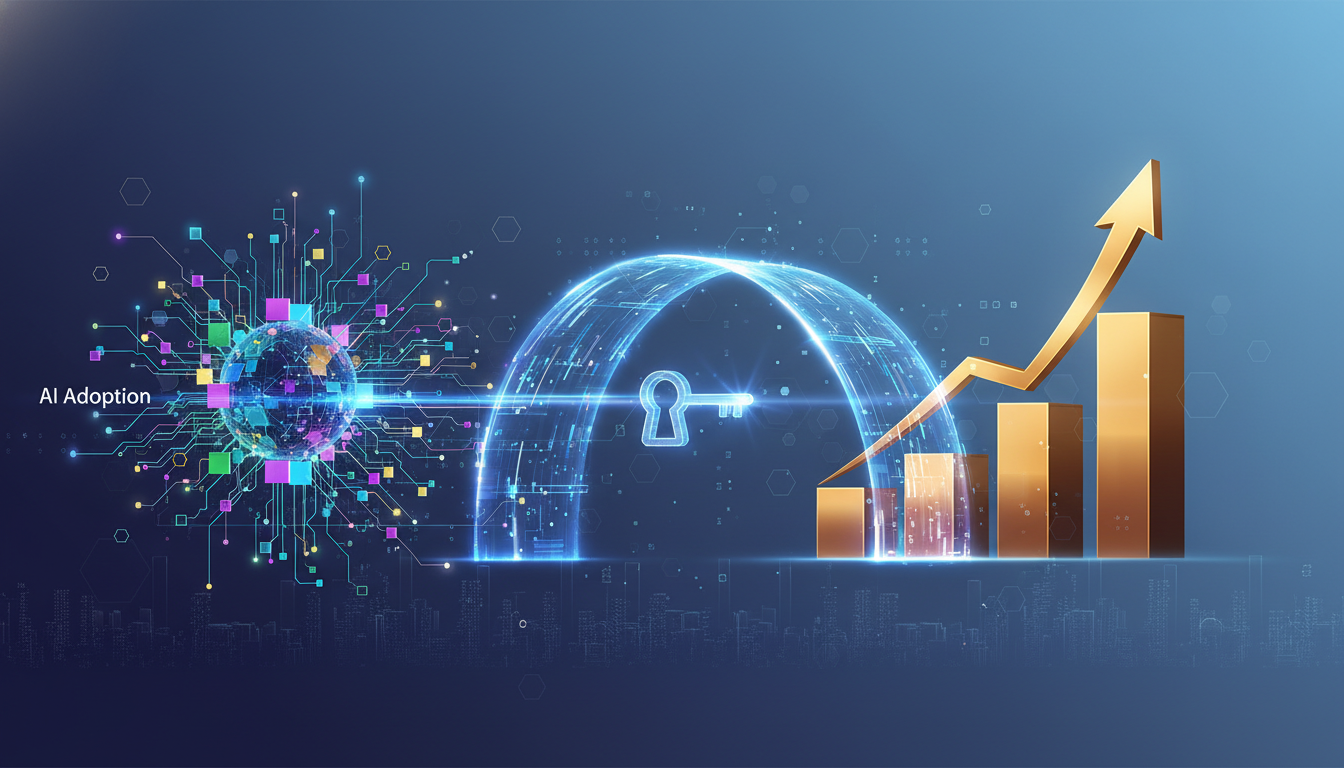
As artificial intelligence (AI) continues to evolve, businesses face the challenge of integrating these powerful tools while maintaining control over their operations. The future of AI adoption is not about racing towards full autonomy but rather balancing technological advancements with the need for oversight and accountability. This approach is particularly crucial in industries where the margin for error is slim, and the stakes are high.
The Rise of Controlled AI Adoption
In the current landscape, many organizations are opting for a more measured approach to AI integration. Instead of deploying fully autonomous systems, they are focusing on AI tools that complement and enhance human decision-making. This strategy is prevalent in sectors such as finance, where the implications of errors can be financially and legally significant.
For instance, S&P Global Market Intelligence has integrated AI into its Capital IQ Pro platform. This tool assists analysts by extracting insights from vast datasets, including company filings and market data, without replacing the critical human element. By grounding AI in verified source material, companies can reduce the risk of inaccuracies and maintain a reliable decision-making process.
The Gap Between Adoption and Autonomy
While the potential for autonomous AI systems is on the horizon, most companies have not yet embraced this level of deployment. Research from McKinsey & Company indicates that while AI adoption is widespread, many organizations have not scaled its use across their entire enterprise. This highlights a gap between initial AI usage and broader, more strategic deployment.
Currently, AI tools assist with specific tasks such as document summarization and query responses. These systems are not acting independently but are instead designed to support human users. For example, the AI features of Capital IQ Pro allow users to interact with large datasets through a chat interface, ensuring that outputs are tethered to verified financial content.
AI in High-Risk Sectors
In high-risk sectors like finance, the need for precision is paramount. AI tools are developed to support human analysts rather than replace them. This ensures that while AI can surface valuable insights and trends, the responsibility for final decisions remains with human users. The emphasis on human oversight is driven by the necessity for clear accountability, especially when decisions impact investments and compliance.
As AI tools become more integrated into business processes, organizations are increasingly focusing on governance frameworks to manage potential risks, such as data quality issues and model biases. This governance is crucial in ensuring that AI systems operate within defined limits and that their outputs can be trusted.
Moving Toward Future Systems
The journey towards more autonomous AI systems is ongoing. However, the gap between current AI capabilities and future potential remains significant. There is growing interest in systems that can operate with minimal human input while providing transparency and accountability for their outcomes. These systems are more likely to gain trust and be widely adopted across various industries.
Future autonomous systems may handle complex tasks such as financial analysis or supply chain planning. However, their deployment will be contingent on establishing robust control mechanisms that ensure reliability and transparency. Without these safeguards, the use of autonomous agents will be limited.
Balancing Ability and Control
The push towards more advanced AI capabilities is unlikely to slow down. As large language models and agent-based systems continue to develop, the challenge for enterprises will be maintaining control over these powerful tools. S&P Global Market Intelligence exemplifies this balance by keeping AI systems grounded in verified data and prioritizing human decision-making.
In the rapidly evolving AI landscape, the ability to govern and control AI systems will be as critical as the tasks these systems can perform. Enterprises must focus on building trust in AI technologies by ensuring that they operate within established guidelines and that their outputs are transparent and accountable.
As AI continues to integrate into business operations, the focus will remain on striking the right balance between leveraging advanced capabilities and maintaining essential control and oversight. This approach will ensure that AI adoption benefits both businesses and their customers while minimizing potential risks.
Saksham Gupta
Founder & CEOSaksham Gupta is the Co-Founder and Technology lead at Edubild. With extensive experience in enterprise AI, LLM systems, and B2B integration, he writes about the practical side of building AI products that work in production. Connect with him on LinkedIn for more insights on AI engineering and enterprise technology.