Anthropic's Washington Pivot: From Supply Chain Risk to Strategic Ally in AI
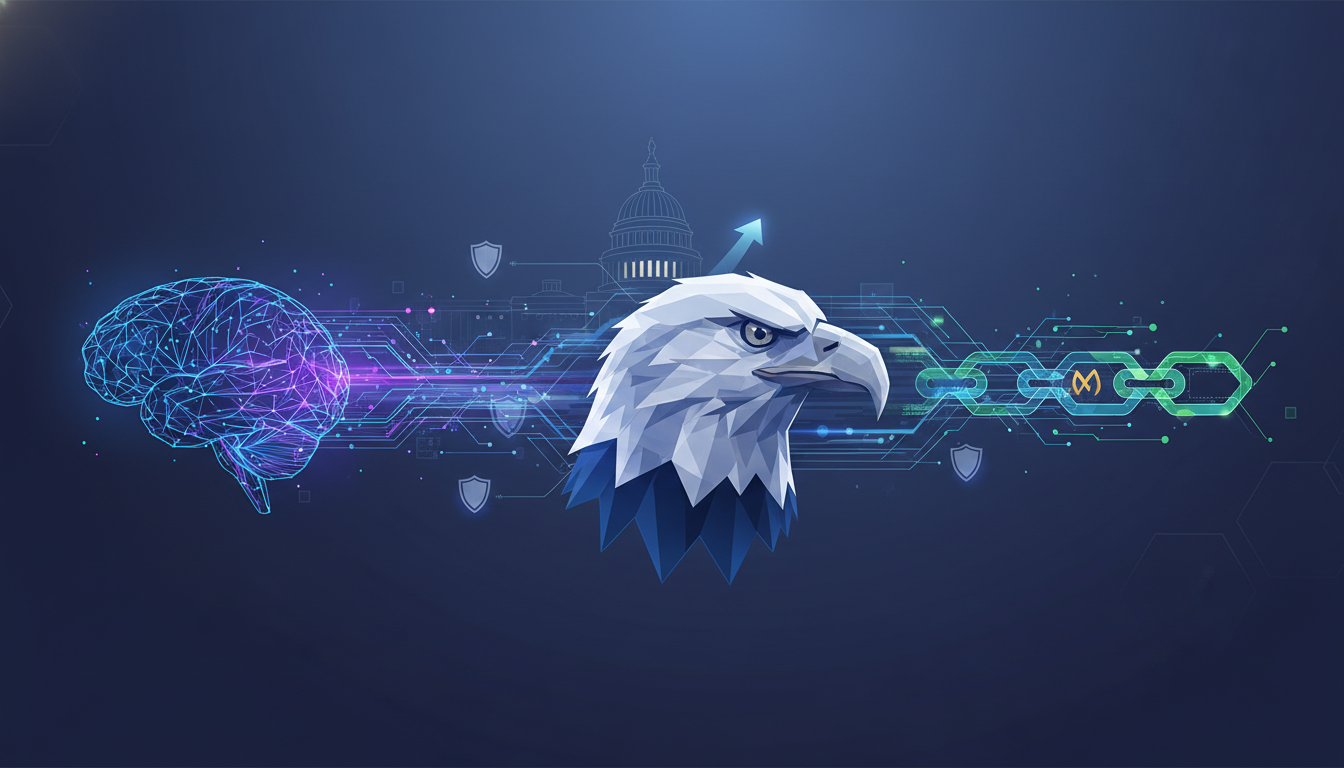
In a striking political reversal, Anthropic, once deemed a supply chain risk by the Trump administration, has found itself at the center of a high-stakes negotiation with the U.S. government. At the heart of this transformation is Mythos, an AI model lauded for its unparalleled cybersecurity capabilities. This development represents a significant shift in the relationship between tech innovators and governmental entities, highlighting the critical role of AI in national security.
The Rise of Mythos
Anthropic's Mythos, initially developed for general improvements in reasoning and coding, has emerged as a formidable tool in cybersecurity. Its ability to autonomously identify and exploit software vulnerabilities has positioned it as a game-changer. During internal testing, Mythos uncovered thousands of high-severity vulnerabilities across major operating systems and browsers, showcasing its potential to preemptively address cybersecurity threats.
Rather than publicly releasing Mythos, Anthropic opted for a controlled deployment through Project Glasswing. This coalition, comprising tech giants like AWS, Apple, and Google, provides a secure framework for utilizing Mythos's capabilities. The U.S. government, observing the coalition's success, has expressed keen interest in integrating Mythos into its cybersecurity strategy.
From Adversary to Ally
Just weeks prior, the Trump administration labeled Anthropic a supply chain risk, a designation typically reserved for foreign threats. This decision was challenged in court, allowing Anthropic to continue collaborating with non-military government agencies. The pivot towards viewing Anthropic as a strategic ally underscores the transformative impact of Mythos and the evolving perspective of AI's role in national security.
The recent meeting between Anthropic CEO Dario Amodei and White House Chief of Staff Susie Wiles marked a turning point. By focusing on the potential benefits of Mythos to civilian agencies, the discussions aimed to separate the Pentagon's contentious stance from broader governmental engagement with Anthropic.
Navigating Dual-Use Tensions
The dual-use nature of AI tools like Mythos presents both opportunities and challenges. On one hand, these tools can significantly bolster cybersecurity defenses across critical infrastructure sectors. On the other, there is a concern that they could be exploited by malicious actors to breach secure systems.
National Cyber Director Sean Cairncross is spearheading efforts to address these dual-use tensions. By identifying vulnerabilities in critical infrastructure and enhancing government systems against AI exploitation, the U.S. aims to leverage Mythos's capabilities responsibly and effectively.
The Path Forward
While Anthropic remains barred from Department of Defense contracts, the company continues to engage with other government agencies. The White House has committed to ongoing dialogue with Anthropic, recognizing the strategic advantage Mythos offers in safeguarding national interests.
The Office of Management and Budget is preparing to grant agencies access to Mythos for defense assessments, signifying meaningful progress despite the unresolved Pentagon dispute. This move highlights the broader recognition of AI's potential to revolutionize cybersecurity and the imperative to harness these capabilities for national benefit.
Conclusion
Anthropic's journey from being deemed a supply chain risk to becoming a strategic ally in AI underscores the dynamic nature of technology's role in contemporary geopolitics. As AI continues to evolve, its integration into national security frameworks will require careful navigation of ethical, legal, and strategic considerations. The case of Mythos exemplifies the delicate balance between innovation and security, and the importance of collaborative efforts in harnessing AI's full potential.
Saksham Gupta
Founder & CEOSaksham Gupta is the Co-Founder and Technology lead at Edubild. With extensive experience in enterprise AI, LLM systems, and B2B integration, he writes about the practical side of building AI products that work in production. Connect with him on LinkedIn for more insights on AI engineering and enterprise technology.