Empowering AI with Safety: Microsoft Unveils Open-Source Toolkit for Runtime Security
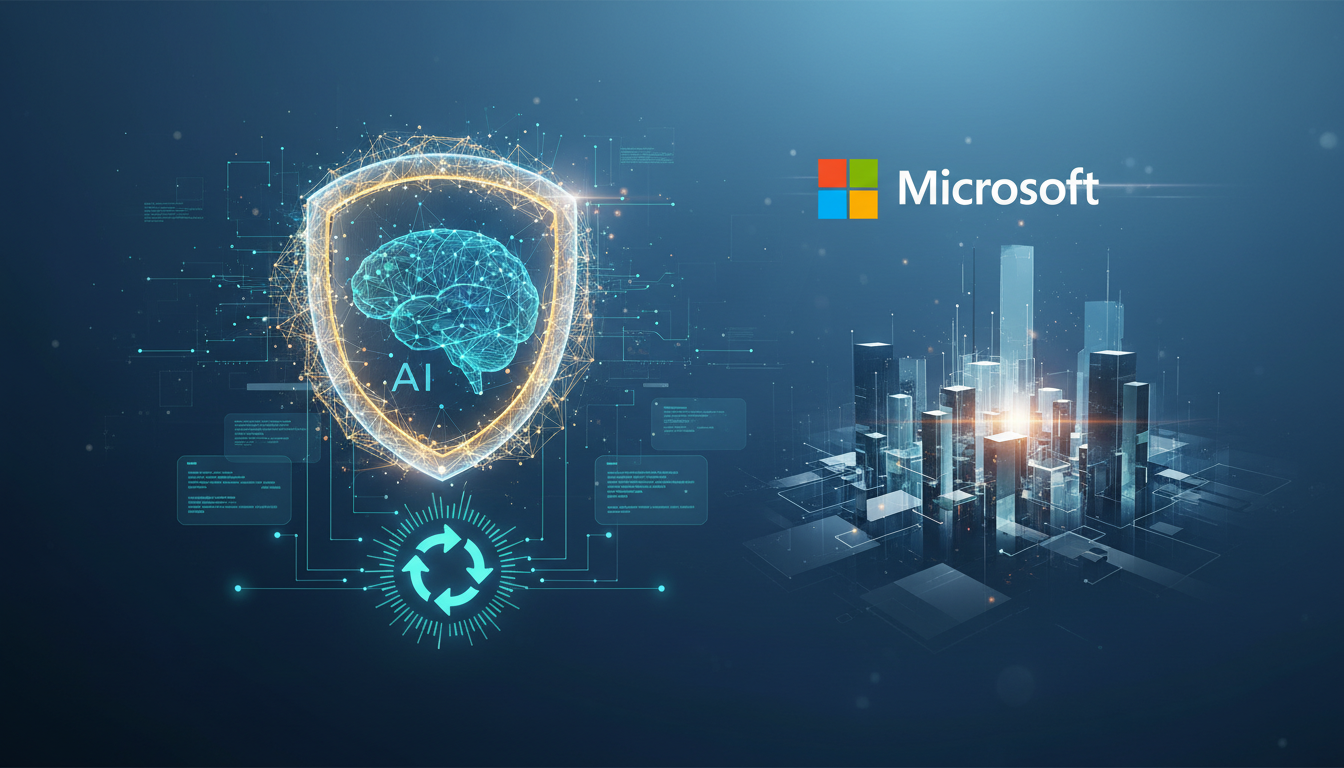
In the rapidly evolving landscape of artificial intelligence, Microsoft has taken a significant step forward in ensuring the safety and governance of AI agents. The introduction of an open-source toolkit dedicated to runtime security is a pivotal move towards addressing the growing concerns surrounding autonomous AI agents. These agents are now operating at speeds and capabilities that outpace traditional policy controls, necessitating a robust and dynamic security framework.
The Need for Runtime Security
As AI technology has advanced, so too have the roles that AI systems play within organizations. Initially, AI served as a conversational interface or advisory tool, aiding users in navigating complex datasets. However, the integration has transcended these boundaries, with AI agents now possessing the ability to perform independent actions. These actions range from interfacing with internal APIs to accessing cloud storage and even executing code, often without direct human oversight.
This newfound autonomy poses a significant risk. Traditional methods, such as static code analysis and pre-deployment vulnerability scanning, are ill-equipped to handle the unpredictable nature of large language models. A simple prompt injection attack or a model's misinterpretation can lead to severe consequences, such as unauthorized data access or system manipulations.
How Microsoft's Toolkit Addresses Security
Microsoft's toolkit introduces a novel approach to securing AI agents by focusing on runtime security. This method involves monitoring and evaluating AI actions in real-time, effectively intercepting and scrutinizing each command before execution. By placing a policy enforcement engine between the AI model and the corporate network, the toolkit ensures that every action is checked against a predefined set of governance rules. This proactive approach not only blocks unauthorized actions but also creates an auditable trail for security teams to review.
This real-time interception capability is crucial for safeguarding legacy systems that were not designed to interact with non-deterministic software. By acting as a protective layer, Microsoft's toolkit prevents malicious or unintended actions from compromising system integrity, even if the underlying AI model is compromised.
Open-Source Advantage
One might wonder why Microsoft opted to release this toolkit as open-source. The decision is rooted in the current software development environment, where open-source libraries and third-party models are integral components. By making the toolkit openly available, Microsoft ensures that it can be seamlessly integrated into various technology stacks, regardless of whether an organization relies on Microsoft's ecosystem or other platforms.
This open-source approach also invites collaboration from the cybersecurity community. By establishing a common standard for AI agent security, other vendors can build upon this foundation, enhancing the overall security ecosystem. This collaborative effort accelerates the development of robust security solutions, benefiting businesses that seek to avoid vendor lock-in while maintaining a high security baseline.
Beyond Security: Governance and Cost Management
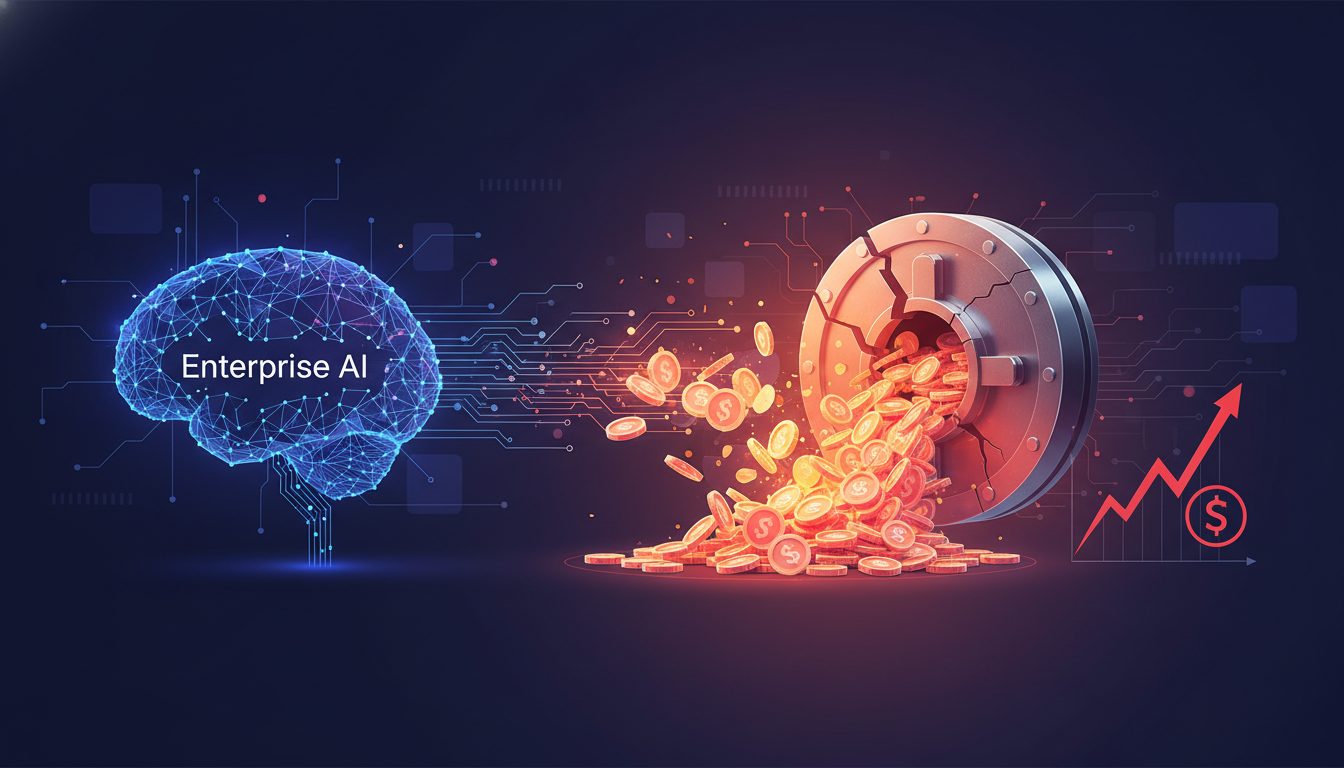
The significance of Microsoft's toolkit extends beyond mere security. As AI agents operate in continuous loops of reasoning and execution, they can inadvertently incur substantial costs. Without proper governance, an AI tasked with market analysis might repeatedly query expensive databases, leading to skyrocketing API costs. The toolkit provides mechanisms to set limits on token consumption and API call frequency, allowing organizations to control operational costs and prevent runaway processes.
Furthermore, the toolkit offers the quantitative metrics necessary for compliance with regulatory mandates. As AI capabilities continue to expand, organizations implementing these runtime controls today will be better equipped to manage future autonomous workflows.
The Future of AI Governance
The introduction of Microsoft's open-source toolkit marks a crucial step in the evolution of AI governance. As AI agents become more capable, the need for comprehensive security and operational oversight becomes imperative. The success of these initiatives will depend on the collaboration between development, legal, and security teams, ensuring that AI technology can be harnessed safely and efficiently.
For organizations looking to stay ahead in the AI race, adopting such runtime governance frameworks is no longer optional but essential. As the landscape continues to shift, those who embrace these innovations will find themselves well-prepared to navigate the complexities of tomorrow's AI-driven world.
Saksham Gupta
Founder & CEOSaksham Gupta is the Co-Founder and Technology lead at Edubild. With extensive experience in enterprise AI, LLM systems, and B2B integration, he writes about the practical side of building AI products that work in production. Connect with him on LinkedIn for more insights on AI engineering and enterprise technology.