Hyundai's Bold Leap: The Future of Physical AI and Robotics
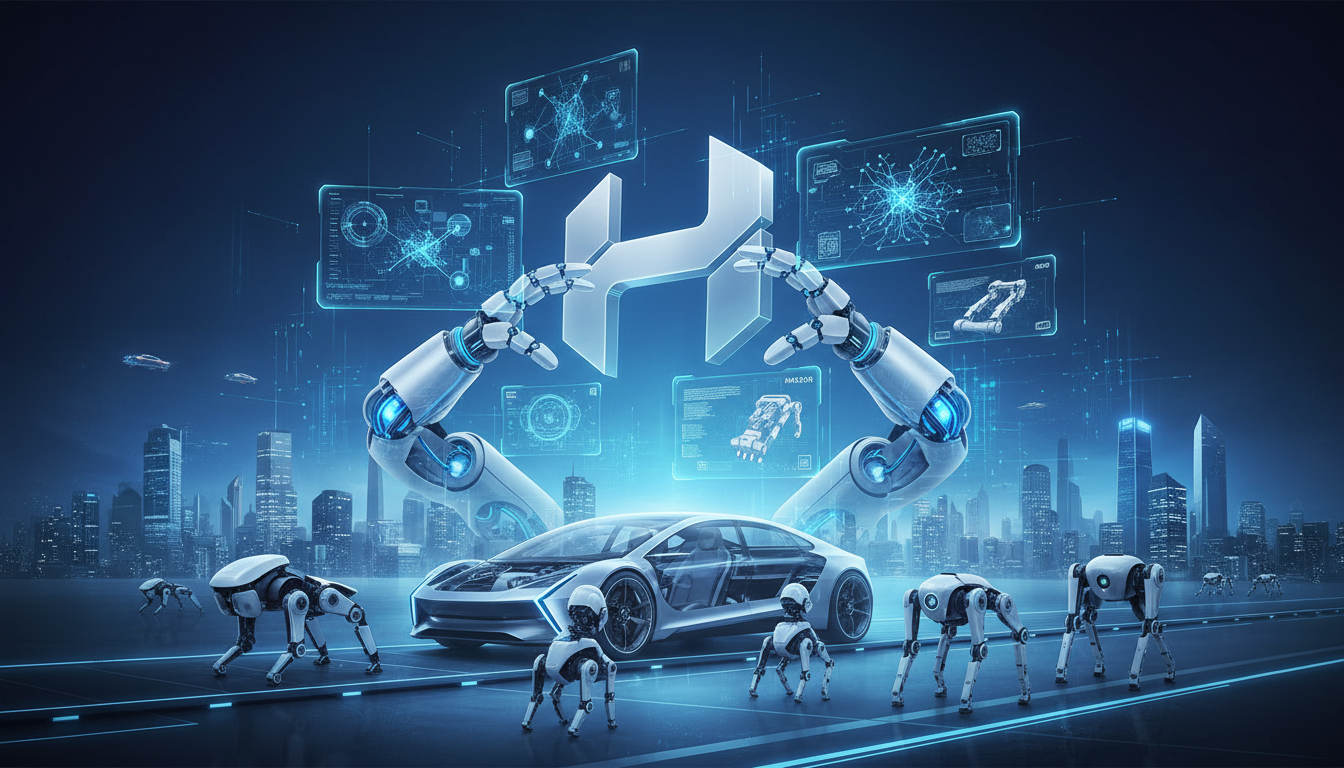
As the automotive landscape evolves, Hyundai Motor Group is steering its future in an innovative direction—one that transcends traditional vehicle manufacturing. The South Korean giant is now making significant strides into the realm of physical AI and robotics, marking a bold leap from its automotive roots to becoming a leader in next-generation technology solutions.
Hyundai's Vision for Physical AI Systems
Hyundai's foray into physical AI represents a transformative shift in its business model. This new direction is not merely about integrating AI into machines but embedding these intelligent systems into robots and platforms that can navigate and interact within physical spaces. This shift is evident in Hyundai’s strategic investment plans, with a staggering $26 billion earmarked for the U.S. by 2028. The goal? To harness AI and robotics as central pillars of growth, enabling Hyundai to venture beyond the conventional automotive industry.
From Automation to Human-Robot Collaboration
Hyundai's acquisition of a controlling stake in Boston Dynamics in 2021 was a pivotal step towards this vision. The collaboration is already shaping up to redefine industrial and manufacturing processes. The company's focus is on developing robots that don't replace human workers but complement them. These robots are designed to take on repetitive or strenuous tasks, allowing human workers to focus on oversight and coordination, thereby enhancing productivity and efficiency. By 2030, Hyundai aims to produce up to 30,000 robotic units annually, primarily for factory usage.
Manufacturing as the Initial Frontier
While Hyundai's exploration of physical AI spans various sectors, manufacturing remains its primary testing ground. The integration of AI and robotics into manufacturing processes allows for real-time adjustments and data-driven decision-making. This approach helps Hyundai to not only meet but exceed the ever-evolving regulatory and consumer demands. The company is leveraging these systems to standardize processes across its global operations, illustrating a seamless blend of global expansion and localized production.
Energy and Infrastructure: The Backbone of Physical AI
As AI systems become more prevalent in physical environments, energy considerations grow increasingly critical. Hyundai is proactively addressing this through its HTWO brand, focusing on hydrogen production, storage, and utilization. The company views hydrogen and electric vehicles as complementary solutions, offering diversified energy options tailored to specific needs and applications. This dual approach ensures that as AI infrastructure expands, energy supply remains robust and sustainable.
The Impact on End Users
For the average consumer, the immediate interaction with humanoid robots may be limited. However, the ripple effects of Hyundai's advancements in physical AI will be widespread. Products are expected to be manufactured more efficiently, and services related to mobility and infrastructure will be more responsive and adaptive to consumer needs. Hyundai’s massive global footprint—with over 7 million vehicle sales annually and 16 production facilities worldwide—ensures that these technological advancements will have a profound impact on a global scale.
A Gradual yet Definitive Shift
Despite its aggressive push into AI and robotics, Hyundai remains deeply rooted in its automotive origins. Brands like Hyundai, Kia, and Genesis continue to form the backbone of its business operations. However, the integration of physical AI signifies a shift from viewing products as standalone items to considering them as part of broader, interconnected systems. This ongoing transition underscores Hyundai's commitment to building a future where machines and humans work symbiotically in real-world settings.
Hyundai's journey into the world of physical AI and robotics represents a bold step forward, promising to reshape industries and redefine interactions between technology and humans. As the company continues to innovate and expand, it stands at the forefront of a technological revolution, poised to make a lasting impact on the global landscape.
Saksham Gupta
Founder & CEOSaksham Gupta is the Co-Founder and Technology lead at Edubild. With extensive experience in enterprise AI, LLM systems, and B2B integration, he writes about the practical side of building AI products that work in production. Connect with him on LinkedIn for more insights on AI engineering and enterprise technology.