Revolutionizing Security: How AI Vulnerability Discovery Cuts Enterprise Costs
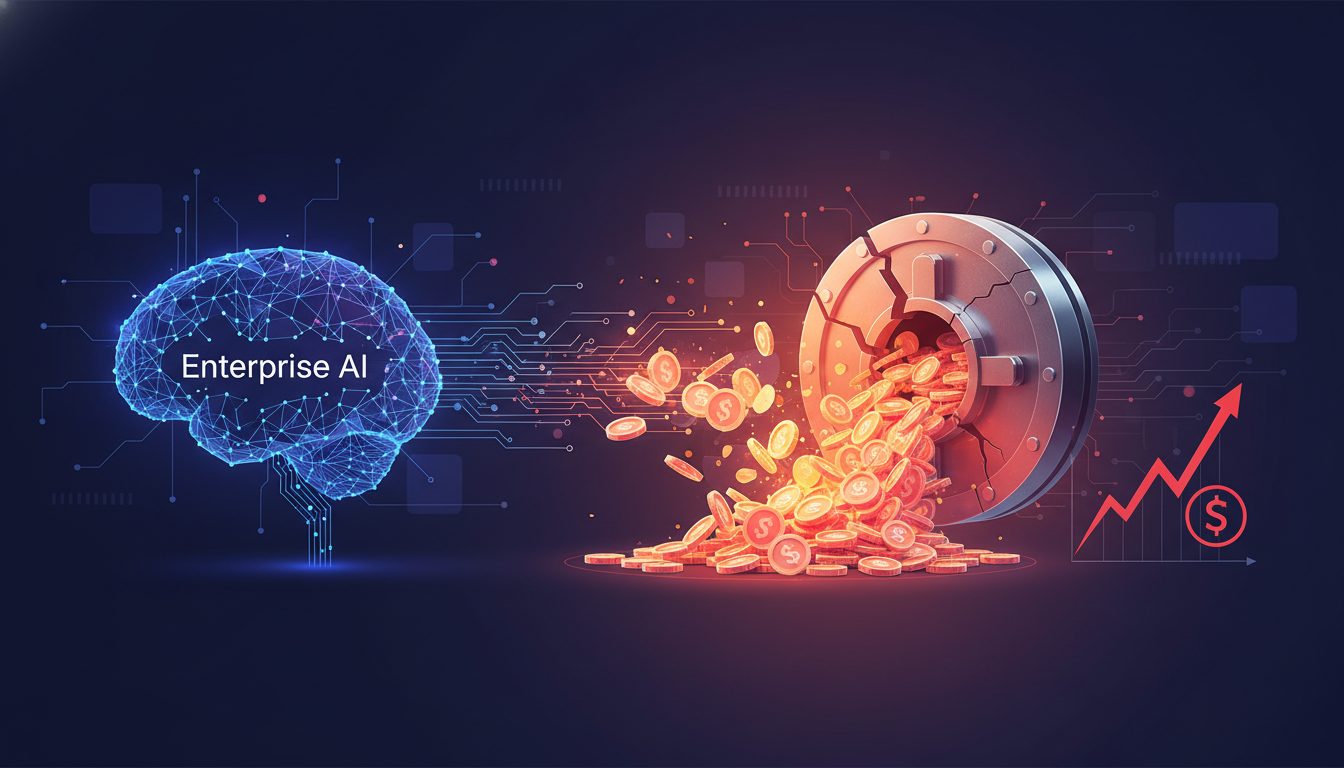
In the ever-evolving landscape of cybersecurity, enterprises face persistent challenges to ensure the safety and integrity of their systems. Traditional methods of vulnerability discovery often prove costly and resource-intensive, leaving organizations seeking innovative solutions to combat cyber threats. Enter Artificial Intelligence (AI) vulnerability discovery — a game-changer in reversing enterprise security costs while enhancing protection against adversaries.
The Shift from Reactive to Proactive Security
Historically, enterprises have operated under the doctrine of making attacks prohibitively expensive for potential hackers. The goal was to deter breaches by elevating the cost of exploitation. However, this reactive approach often left systems vulnerable to sophisticated, budget-unconstrained adversaries. The emergence of AI-driven vulnerability discovery has shifted the paradigm, enabling enterprises to adopt a proactive stance in identifying and mitigating vulnerabilities before they are exploited.
A Case Study in AI-Powered Security
A notable example of AI's impact on cybersecurity is the collaboration between Mozilla Firefox and Anthropic. By leveraging Anthropic’s Claude Mythos Preview, the Firefox team uncovered and addressed 271 vulnerabilities ahead of their version 150 release. This impressive feat followed a prior collaboration resulting in 22 critical fixes. Such breakthroughs highlight AI's potential to streamline vulnerability discovery, saving both time and money for enterprises.
Cost Efficiency through Automation
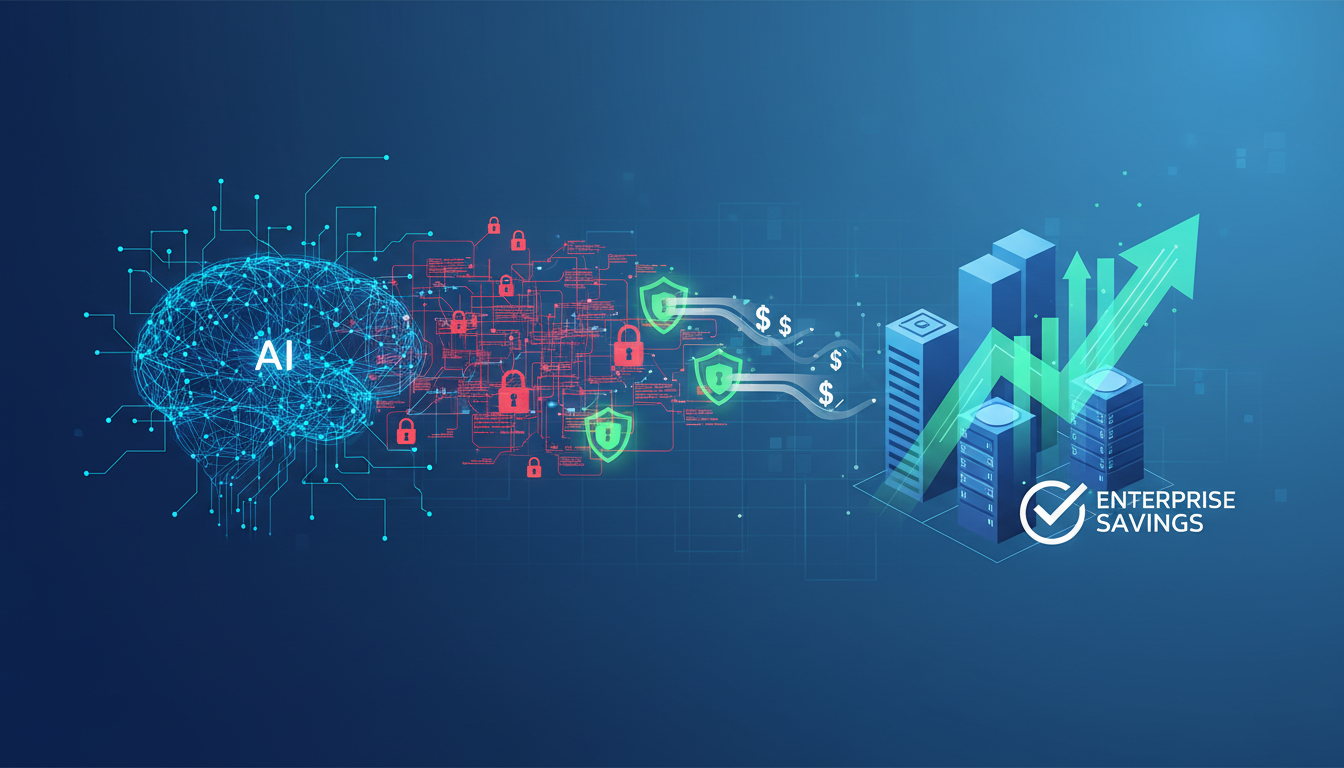
AI vulnerability discovery automates the identification process, reducing the reliance on expensive human expertise. Traditional methods required hiring external consultants or elite security researchers, which significantly inflated costs. In contrast, AI models continuously scan codebases against known threat databases, promptly flagging potential issues. This automation not only accelerates the discovery process but also drastically cuts down costs associated with manual identification.
Overcoming Integration Challenges
Despite the promise of AI, integrating these models into existing systems does present challenges. The computational power required to analyze large codebases can lead to hefty expenses. Additionally, ensuring the security of proprietary code during this process is paramount. Enterprises must invest in secure vector database environments to manage context windows effectively. Mitigating false positives is also crucial, as inaccuracies can waste valuable engineering hours. Therefore, cross-referencing AI outputs with static analysis tools is essential to validate findings and maintain efficiency.
Bridging the Expertise Gap
AI models like Claude Mythos Preview are now achieving parity with top-tier security researchers, effectively bridging the gap between human and machine capabilities. The ability of these models to reason through code and identify complex logic flaws is revolutionizing the cybersecurity landscape. Unlike manual processes constrained by limited human resources, AI tools can operate at scale, providing comprehensive coverage across extensive codebases.
Embracing Automated Audits
The adoption of automated audits is becoming increasingly vital for enterprises. As AI models demonstrate their reliability in identifying vulnerabilities, the failure to utilize such tools may soon be deemed negligent. This shift in industry standards compels organizations to integrate AI-driven audits into their security frameworks to maintain competitiveness and safeguard against liability.
The Path Forward: A Decisive Defensive Advantage
While the initial discovery of numerous vulnerabilities may seem daunting, it presents a significant opportunity for enterprises to strengthen their defenses. By committing to remediation efforts, organizations can transform short-term challenges into long-term advantages. The future of enterprise security lies in leveraging AI to establish a decisive edge over cyber adversaries.
As more organizations adopt AI vulnerability discovery, the baseline standard for software liability and cybersecurity practices will evolve. Enterprises that embrace these tools will not only reduce costs but also enhance their resilience against persistent threats. In this new era of proactive cybersecurity, AI is poised to revolutionize the way enterprises protect their digital assets, ensuring a safer and more secure future.
Saksham Gupta
Founder & CEOSaksham Gupta is the Co-Founder and Technology lead at Edubild. With extensive experience in enterprise AI, LLM systems, and B2B integration, he writes about the practical side of building AI products that work in production. Connect with him on LinkedIn for more insights on AI engineering and enterprise technology.